Learn About secure memory care residences
Expert Older Adult Dementia Care Programs
Specialized senior memory care programs play an essential role in assisting individuals facing cognitive impairments. These programs offer tailored care plans and structured environments that improve emotional well-being. Trained staff members provide empathetic care, fostering connections and participation. As families seek the best options for their family members, understanding the advantages and characteristics of these programs becomes vital. The journey of discovering the right fit can result in transformative experiences for both elderly individuals and their families.
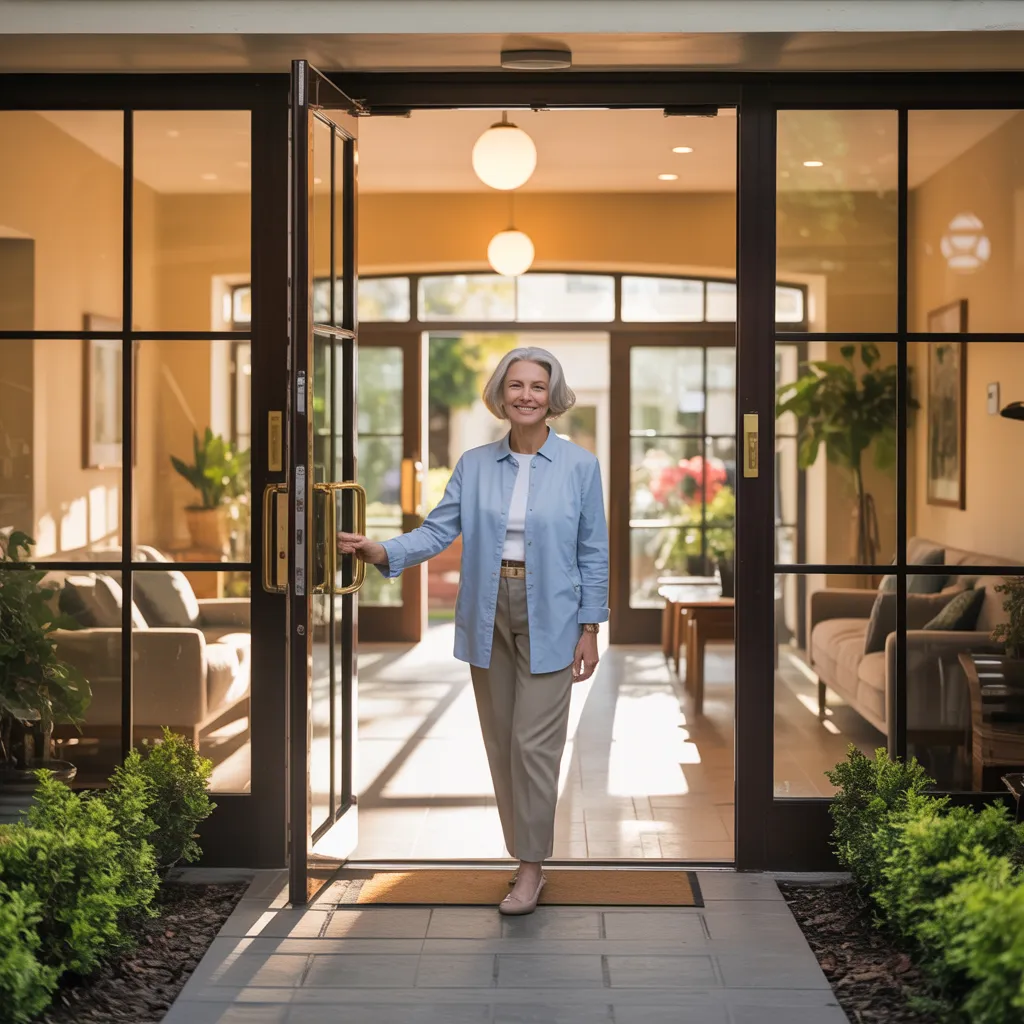
Addressing Cognitive Decline: Comprehending Memory Care
Handling memory loss requires a sophisticated understanding of memory care, as it includes multiple strategies tailored to personal requirements. Memory care concentrates on assisting older adults with mental decline, such as Alzheimer's disease or other types of dementia. This specialized approach seeks to create a safe and organized setting that encourages autonomy while guaranteeing the welfare of residents.
Effective memory care solutions often incorporate individualized care plans, interactive activities, and therapeutic methods aimed to strengthen cognitive abilities. Care providers finish specialized instruction to understand the difficulties of memory impairment and to communicate effectively with residents. Moreover, establishing social bonds and emotional care is critical in boosting overall wellness for those struggling. Ultimately, understanding memory care requires acknowledging the diverse challenges experienced by persons with memory loss and the importance of specialized interventions to address those issues efficiently.
Critical Characteristics of Powerful Memory Care Initiatives
Effective memory care programs incorporate multiple important elements that boost the standard of living for aging individuals. Personalized care plans are essential, as they address unique requirements and desires. Additionally, an dynamic activities program and experienced staff proficiency play significant roles in fostering a nurturing atmosphere for residents.
Customized Support Plans
Personalized care plans serve as the basis of effective memory care programs, modifying support to the individual needs and preferences of each person. These plans are developed through extensive assessments, which evaluate cognitive function, medical history, and personal interests. This custom approach certifies that caregivers can provide appropriate and purposeful support, enhancing the quality of life for residents. Regular reviews of these care plans allow for adjustments based on the individual's changing needs and progress. Additionally, involving family members in the planning process fosters collaborative relationships and promotes a holistic understanding of the resident's background and preferences. Ultimately, personalized care plans are instrumental in addressing the complexities of memory care, ensuring that each resident receives compassionate and effective assistance.
Stimulating Pursuits Schedule
creating a better life for those in dementia support
Professional Team Skills
Trained staff play a vital role in the outcome of memory care programs, ensuring that residents receive the specialized support they need. Their skillset encompasses understanding various versions of dementia and effective communication strategies tailored to individual residents. Ongoing training in behavioral management techniques enhances their ability to address challenging situations with compassion and patience. Additionally, staff members are equipped to implement personalized care plans that focus on the distinct needs and preferences of each individual. This specialized training fosters a safe and nurturing environment, promoting cognitive engagement and emotional well-being. Ultimately, the proficiency of trained staff not only improves the quality of care but also enriches the overall experience for residents, making them feel valued and understood.
How Personalized Help Benefits Alzheimer's and Dementia Individuals
While many individuals with Alzheimer's and dementia face unique obstacles, personalized assistance can greatly improve their quality of life. Individualized treatment strategies, developed based on individual requirements and choices, ensure that each person obtains the specific help that promotes their health and wellness. This approach not only handles everyday activities but also emphasizes psychological and mental support.
Involving individuals in meaningful and familiar tasks can stimulate recall and foster a sense of purpose. Personal connections with care providers, who understand the nuances of each resident's history, further enhance emotions of safety and confidence. In addition, customized care can help decrease anxiety and agitation, common in those with cognitive challenges. By creating a nurturing environment that respects individuality, advanced cognitive support initiatives enable residents to preserve dignity and enhance their overall experience. Ultimately, personalized support plays a essential role in making life more easy to navigate and pleasant for those dealing with Alzheimer's and dementia.
Finding the Optimal Memory Care Program for Your Family Member?
Selecting the appropriate memory care facility requires a rigorous assessment of the individual needs of your loved one. It is essential to evaluate the activities offered through each program and the way they match up with those requirements. In addition, reflecting on the training of the personnel can serve as a significant component in safeguarding quality care and assistance.
Evaluate Individual Requirements First
How can families confirm they choose the most fitting memory care program for their loved ones? The first phase involves a detailed assessment of individual needs. Families should consider the specific check article cognitive challenges their loved ones face, as well as their bodily wellness, emotional state, and individual likes. Understanding the distinct mix of these factors can aid in identifying a program that aligns with their loved one's requirements. Additionally, families should evaluate the amount of support needed, including assistance with daily activities and any specialized medical support. Participating in open conversations with the loved one and speaking to healthcare professionals can further clarify these needs, ensuring a more knowledgeable choice when selecting the appropriate memory care program.
Evaluate Program Activities Offered
Reviewing the activities offered by memory care programs is important to ensure they meet the expectations and preferences of residents. Engaging activities can improve cognitive function and promote social interaction, which contributes to an improved overall quality of life. The programs should feature a wide range of activities tailored to different cognitive levels, including arts and crafts, music therapy, and guided reminiscence sessions. Outdoor activities and physical exercises are equally essential for supporting physical health and mobility. Moreover, it is beneficial to determine whether the activities encourage family involvement, strengthening connections between residents and their loved ones. In conclusion, a well-rounded schedule that balances both mental and physical engagement can significantly aid a resident's emotional well-being and fulfillment.
Think About Workforce Qualifications Cautiously
relatives are under capable supervision, rendering staff expertise a key element in selecting the suitable memory care program
Memory Care Activities That Improve Well-Being
Taking part in memory care activities can substantially improve the well-being of seniors with cognitive challenges. These activities focus on stimulate cognitive function, enhance social interaction, and advance emotional health. Activities including puzzles, memory games, and reminiscence therapy encourage mental involvement and help fortify neural connections. Art and music therapy provide creative avenues, allowing seniors to express themselves and link with their emotions.
Physical activities, like light movement or dancing classes, not only optimize physical movement but also enhance mood and reduce anxiety. Gardening and nature walks can enrich sensory stimulation and foster a feeling of success. Group activities, such as storytelling or cooking classes, promote socialization, easing feelings of isolation. Ultimately, tailored memory care activities play an fundamental role in maintaining self-respect and enhancing the quality of life for seniors, delivering them with meaningful experiences that cultivate joy and connection in their daily lives.
Approaches Relatives Help to Memory Care
Family members serve an essential role in facilitating memory care, as their involvement can significantly improve the standard of living for seniors facing cognitive challenges. By maintaining regular communication, families help seniors feel connected, reducing feelings of isolation that often accompany memory loss. Active participation in care routines, such as assisting with daily activities and participating in therapy sessions, fosters a sense of safety and familiarity.
In addition, family members can support their dear family, making sure their desires and needs are met within memory care programs. Telling important narratives and valued recollections can boost cognitive participation, making everyday interactions more rewarding. Recognizing the particular hurdles of cognitive impairment allows family groups to offer individualized support, forming a compassionate setting. All things considered, the psychological and hands-on involvement of family members is paramount, as it not only improves the senior's well-being but also deepens familial ties across this demanding phase.
Transformative Success Cases From Memory Care Programs
The involvement of household members in person-centered care not only bolsters the affective health of aged persons but also paves the way for exceptional breakthroughs within memory care programs. In one noteworthy example, a resident named Margaret, who presented severe anxiety, experienced a significant shift after her daughter began taking part in scheduled activities. Their bonding moments cultivated a sense of security, producing improved interactions with personnel and other residents.
In the same way, a initiative in a local facility dedicated to personalized storytelling, allowing residents to share their life experiences with family. This project not only boosted seniors' confidence but also fortified familial bonds, generating significant improvements in mood and cognitive engagement.
These success stories illustrate that when families actively engage in memory care, they create an environment conducive to healing and growth, showcasing the profound impact of warmth and connection in specialized memory care settings.
Standard FAQ Area
What Competencies Should Staff Demonstrate in Memory Care Programs?
Workers in memory care settings need to achieve suitable certifications in gerontology or dementia care, experience in conduct management, strong ability to communicate, genuine care, and sustained professional education to be up to date on evidence-based approaches for facilitating care for persons with memory impairments.
In What Ways Do Memory Care Services Deal With Medical Emergencies?
Memory care programs typically implement protocols for acute health events that encompass workforce preparation, prompt contact with medical personnel, contingency procedures, and periodic training exercises to guarantee capability for various critical situations affecting inhabitants' physical wellbeing.
Can You Keep Pets at Memory Care Facilities?
Memory care facilities that are animal-welcoming often recognize how positively companions impact residents' psychological health. These environments typically allow pets, supporting friendship and lowering anxiety for residents experiencing memory challenges.
How Much Does Cognitive Care Rate on Normally?
Memory care programs generally expense between $3,000 to $7,000 monthly, subject to location, amenities, and the level of care needed, as many facilities offer multiple pricing options to address varying needs.
What Ways Can Households Talk With Staff About Their Loved One's Needs?
Families could develop effective interaction with staff via conducting frequent meetings, presenting thorough commentary, requesting clarification on care techniques, and sharing concerns. Genuine communication reinforces cooperation and validates that the loved one's needs are adequately maintained.